

Night Vision
Hand-assembled night vision monoculars, binoculars and bi-oculars – configured with the image intensifier tube and optics that fit your mission. Every NGS unit is built and QC-tested in our EU lab.
Low Light Innovations
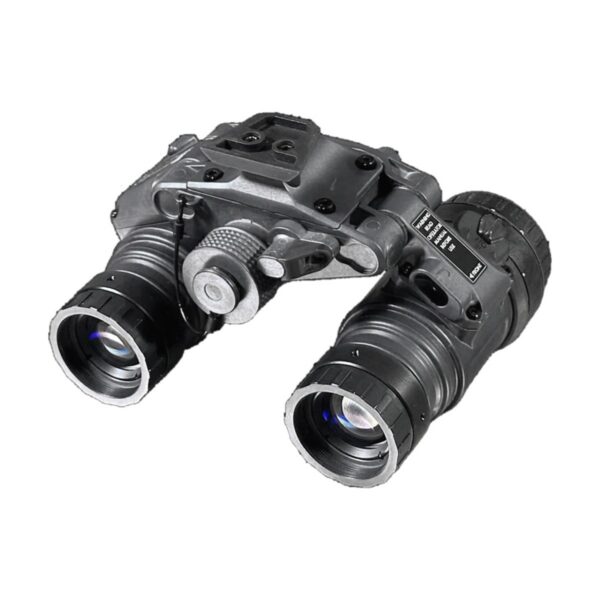
LLI MH-1 Green Phosphor
from 7 060,00 € incl. VATfrom 5 739,84 € excl. VAT
Made to orderConfigure
Low Light Innovations
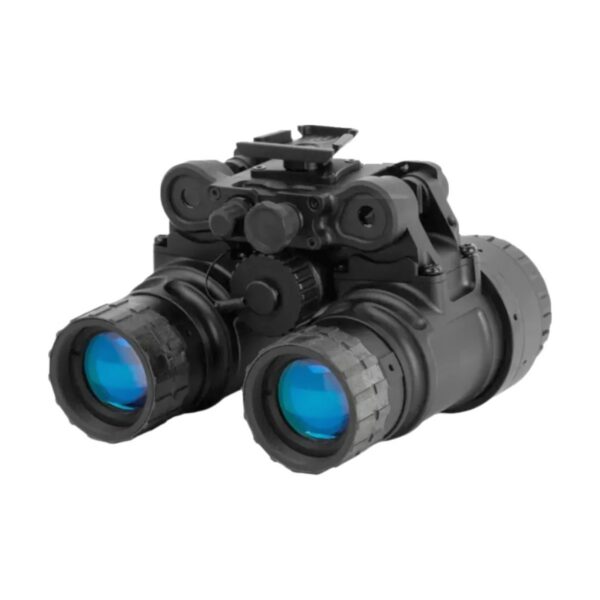
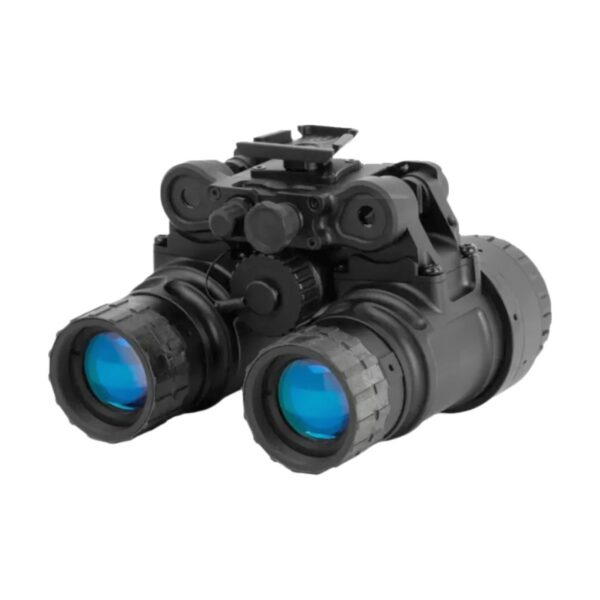
LLI MH-1 White Phosphor
from 7 306,00 € incl. VATfrom 5 939,84 € excl. VAT
Made to orderConfigure
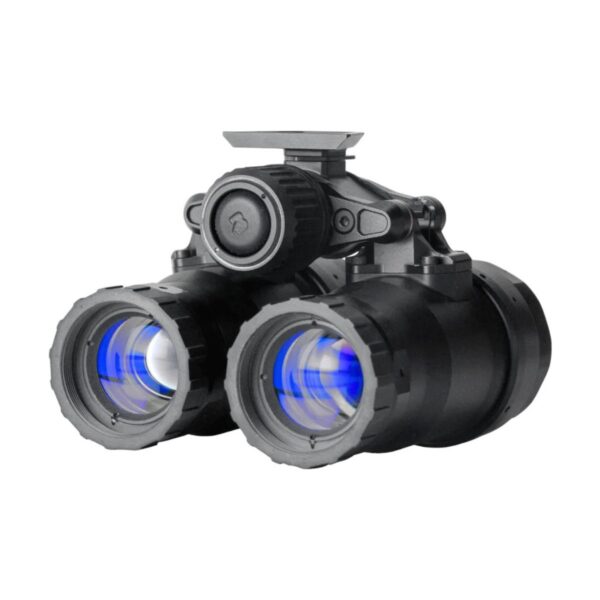

Low Light Innovations
LLI UH-1 Green Phosphor
from 6 027,00 € incl. VATfrom 4 900,00 € excl. VAT
Made to orderConfigure
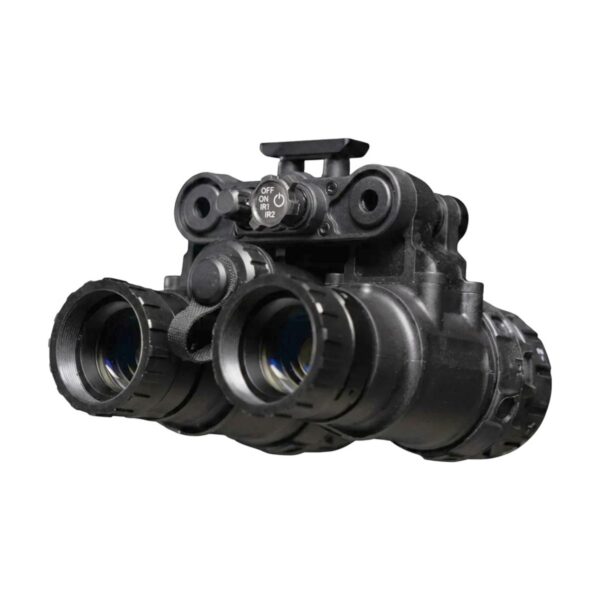
Analog night vision goggles, monoculars and binoculars
Analog night vision uses an image intensifier tube to multiply the faint light of the night sky thousands of times. The result is a sharp, real-time image with no screen lag – the reason professionals still choose analog tubes over digital night vision. We offer PVS-14 monoculars, night vision binoculars such as the BNVD 3114, the Low Light Innovations MH-1 and UH-1 and DT-2, PVS-7 bi-oculars, panoramic quad-tube NVG such as the NGS PANO and NGS-18, and fusion goggles with an integrated thermal channel.
How to choose a night vision device
- Monocular or binocular – a PVS-14 monocular is versatile, light and the most affordable way into quality night vision. Binoculars (dual tube) give depth perception and less eye strain for longer use and helmet-mounted movement.
- FOM (figure of merit) – resolution multiplied by signal-to-noise ratio. A higher FOM means a cleaner, sharper picture in very dark conditions. Every NGS device comes with its tube data sheet, so you know exactly what you get.
- Green or white phosphor – green phosphor is the classic, white phosphor shows a black-and-white image that many users find more natural and less tiring.
- Tube manufacturer – we build with Photonis/Exosens (ECHO) and NNVT image intensifier tubes and help you balance performance and budget.
Hand-built in Slovakia
Our night vision devices are assembled to order in our own lab, nitrogen-purged against fogging and tested before shipping. You get a 24-month guarantee, a technician who answers your questions and maintenance and repair for years to come. Not sure yet? Come and try before you buy in our showroom, or read the night vision guidebook.
Frequently asked questions
What does FOM mean on a night vision tube?
FOM (figure of merit) is the tube resolution in line pairs per millimetre multiplied by its signal-to-noise ratio. It is a quick way to compare tubes: higher FOM generally means a clearer image in low light.
Is white phosphor better than green phosphor?
Neither is better in every case. White phosphor shows a black-and-white image with more natural contrast that many users find less tiring; green phosphor is the proven classic and often more affordable. Try both in our showroom if you are unsure.
Monocular or binocular night vision?
A monocular (PVS-14) is lighter, more versatile and cheaper. Binocular night vision adds depth perception and comfort for long use, especially helmet-mounted while walking. Many users start with a PVS-14 and add a second tube later.
Do you service night vision bought elsewhere?
Yes. Our lab offers diagnostics, cleaning, purging and repair of night vision devices, including devices not bought from us.
Need help choosing?
Talk to a technician, not a sales script.
We build, test and service night vision ourselves. Tell us how you’ll use it and we’ll recommend the right setup – or come and try it in real darkness in our showroom.
+421 950 440 012 Book a showroom visit Night vision guidebook
-
24-month guaranteeServiced by our own technicians.
-
Shipping across the EUPremium packaging and tracking.
-
14-day returnsFor consumers, in line with EU law.
-
Secure checkoutVAT invoice for companies.




